11 hr
Swiss Alps Day Trip from Milan: Bernina Red Train & St. Moritz
- Expert local guide
- Small group
- Skip-the-line access
- Free cancellation
Milan to Swiss Alps Train Ticket Price — Bernina Red Train Day Trips
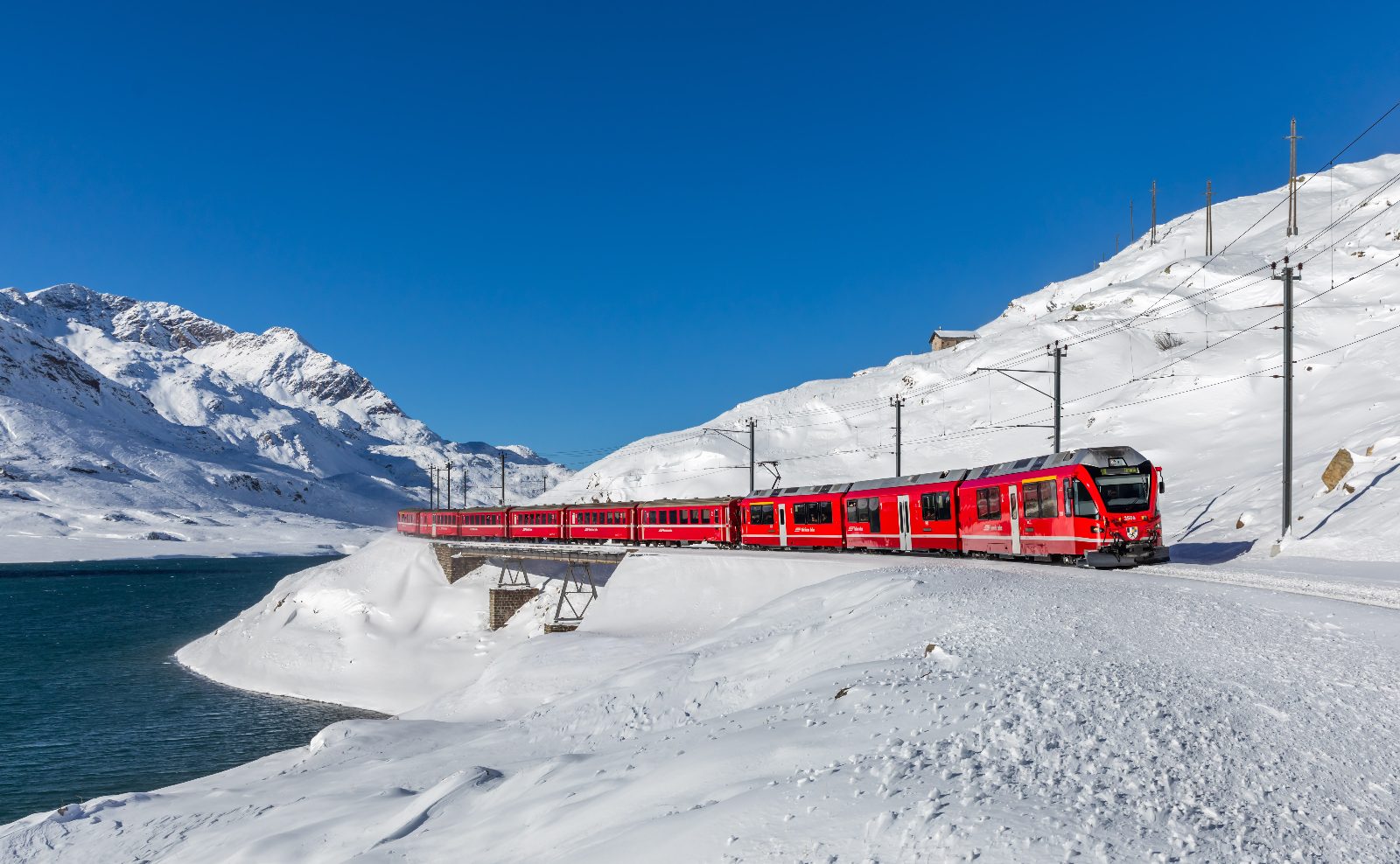
Milan wakes in haze, the Bernina Pass answers in snow.
Compare fares, pick the fit — all bookings are mobile-voucher and eligible for free cancellation where shown.
11 hr
12 hr
13 hr
For the milan to swiss alps train ticket price, Bernina Express buyers usually choose between a route-based rail fare and a separate reservation supplement. The practical split is between the long route via Chur and the short route via St. Moritz, while class only changes the base fare, not the seat reservation supplement.
|
Top pick Long route Chur–Tirano, panoramic train |
Short route St. Moritz–Tirano, panoramic train | Pass holder Rail fare covered by pass, reservation extra | |
|---|---|---|---|
| Route | Chur–Tirano | St. Moritz–Tirano | Any Bernina Express route |
| Class | 1st or 2nd available | 1st or 2nd available | Depends on pass rules |
| Base ticket cost | CHF 113.00 / CHF 66.00 | CHF 57.00 / CHF 33.00 | Rail fare may be covered |
| Seat reservation supplement | CHF 40.00 or CHF 44.00 | CHF 32.00 or CHF 40.00 | Same in both classes |
| Pass coverage | Not included | Not included | Swiss Travel Pass accepted 100% |
| Mandatory reservation | |||
| Best for | First-time visitors from Milan | Shorter scenic hop | Pass holders |
| See tickets & prices |
Verdict: If you want the easiest first-time choice for the milan to swiss alps train ticket price, pick the long-route Bernina Express and add the reservation; milan to swiss alps train ticket price tours, milan to swiss alps train ticket price tour, and milan to swiss alps train ticket price tickets all follow the same official fare logic, so the real decision is route length, class, and whether your pass already covers the rail fare.
Worth it for scenery seekers, not commuters
The milan to swiss alps train ticket price buys a seat on a UNESCO World Heritage line, not a shuttle. What you actually get across the day-trip packages listed here is coach transfer out of Milan, a booked panoramic-car seat on the Rhaetian Railway's Bernina Red Train, and time in St. Moritz or the Engadin — with the Lake Como cruise version adding a second landscape. Entry to the railway itself is 0 CHF; you pay for the reserved seat and the coordination. That trade pays off for travellers without a car who want the Brusio circular viaduct, the Ospizio Bernina summit and Morteratsch glacier views handled in one booking. It works less well if you already hold a Swiss Travel Pass, since the base journey is largely covered and only the reservation supplement remains. Anyone treating a milan to swiss alps train ticket price tour as pure transport will overpay; the ride is the product.
Bottom line: If the alpine crossing is the point rather than the commute, milan to swiss alps train ticket price tickets earn their cost — pass-holders should book the seat supplement alone instead.
For the milan to swiss alps train ticket price, the Bernina Express is the more polished panoramic choice, while the regional train is the cheaper, more flexible rival. If you want the same Bernina line with fewer booking constraints, the regional service usually wins; if you want reserved seats and onboard extras, the Bernina Express tour is better.
|
Top pick Bernina Express |
Regional train | |
|---|---|---|
| route | Chur–Tirano or St. Moritz–Tirano | Same Bernina line |
| reservation | Required seat reservation | Optional seat reservation |
| reservation fee | CHF 29–36 in 2026 | CHF 5.00 per person |
| ticket class | 1st, 2nd, Pullman Class | 1st or 2nd class |
| travel time | Approx. 4 hours or 2 h 15 m | Same route, timetable varies |
| frequency | Selected departures only | More departures daily |
| onboard comfort | Panoramic cars, Wi-Fi, catering | Regular cars, opening windows |
| best for | Scenic, reserved experience | Flexible, lower-cost travel |
| booking flexibility | Book early; seats sell out | Easier last-minute boarding |
| See tickets & prices |
Verdict: Choose the Bernina Express if you want the fullest scenic-rail experience, but choose the regional train if your priority is a lower milan to swiss alps train ticket price and fewer booking limits.
Hand-picked experiences loved by thousands of travelers
12 - 13 hours
Free Cancellation
Travel from Milan to the luxury resort of St. Moritz and ride the scenic Bernina Express train through the spectacular Swiss Alps.
12.5 hours
Free Cancellation
Cross into Switzerland to explore the upscale resort of St. Moritz and ride the legendary UNESCO-listed Bernina railway.
13 hours
Free Cancellation
Journey through the spectacular Swiss Alps on the iconic Bernina Red Train and explore glamorous St. Moritz.
12.5 hours
Free Cancellation
Travel from Milan to the Swiss Alps, riding the Bernina Express and exploring St. Moritz in a small group.
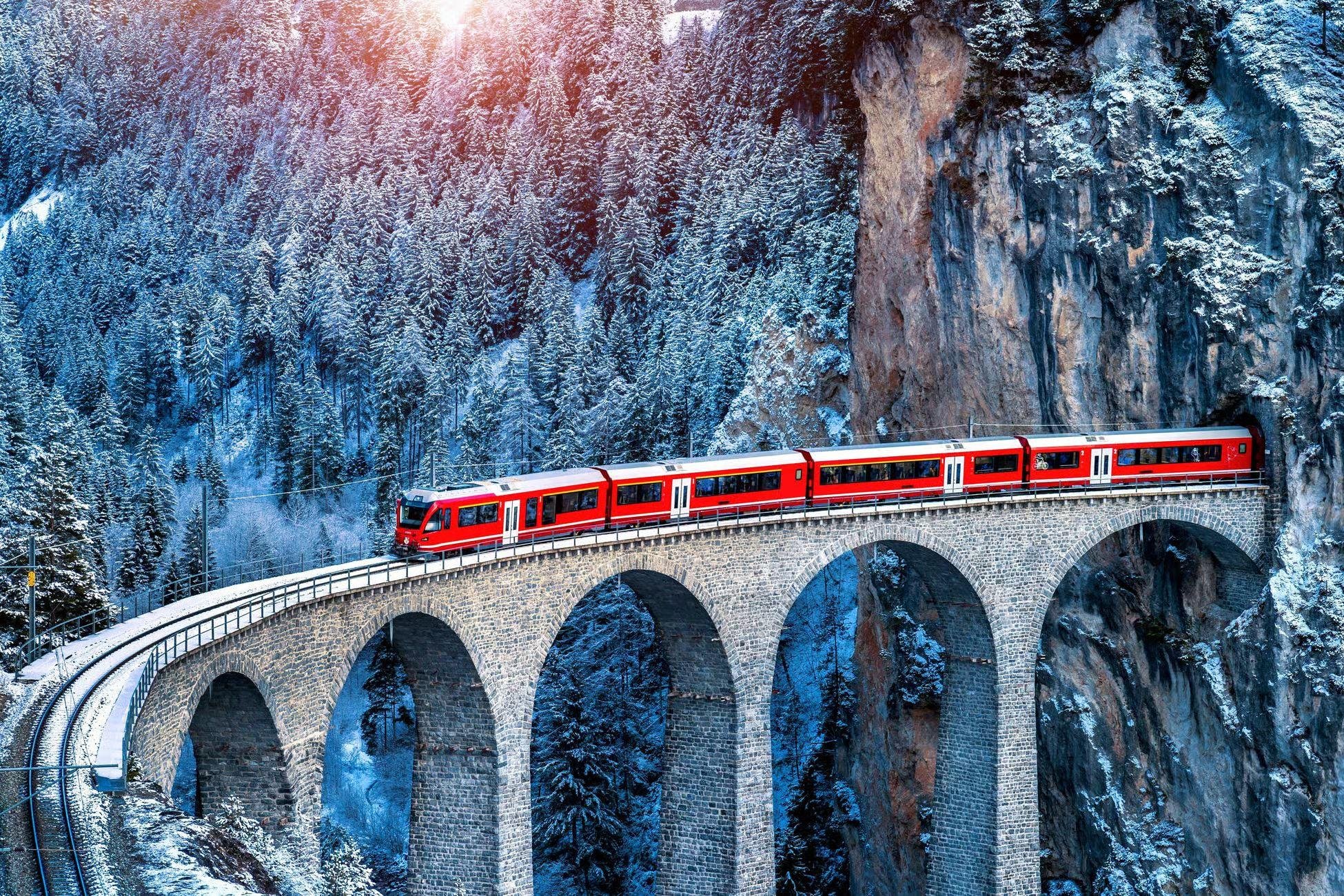
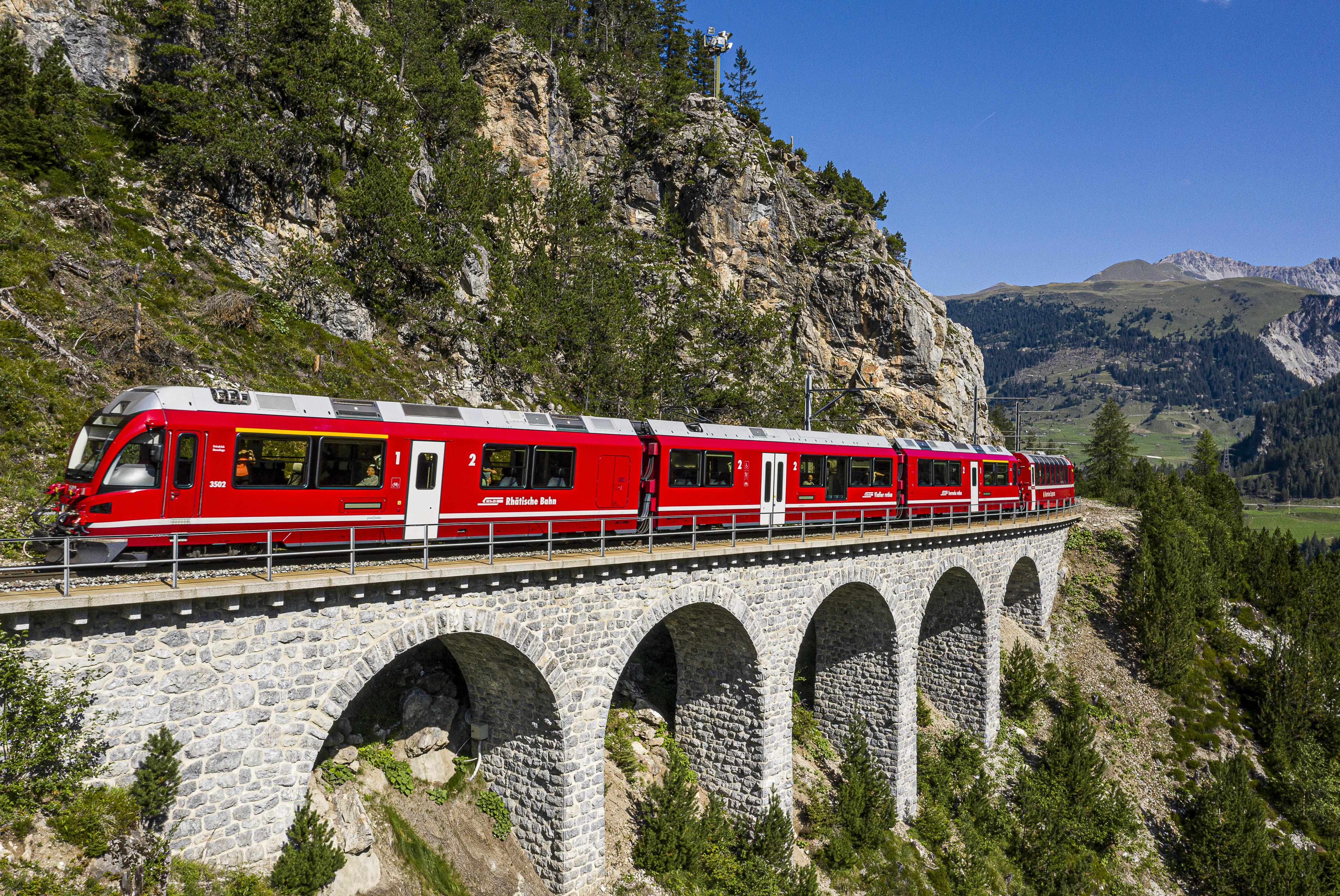
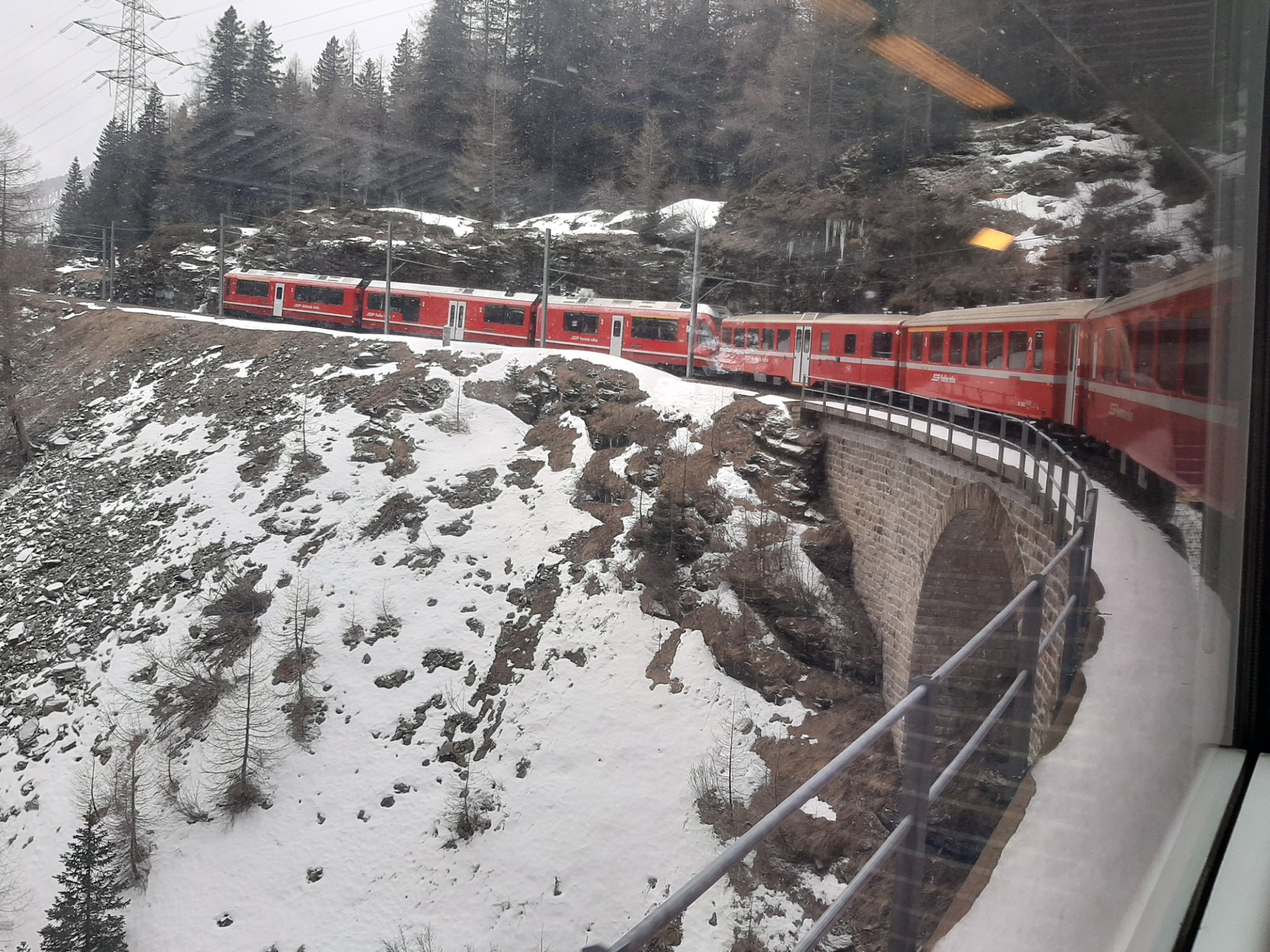
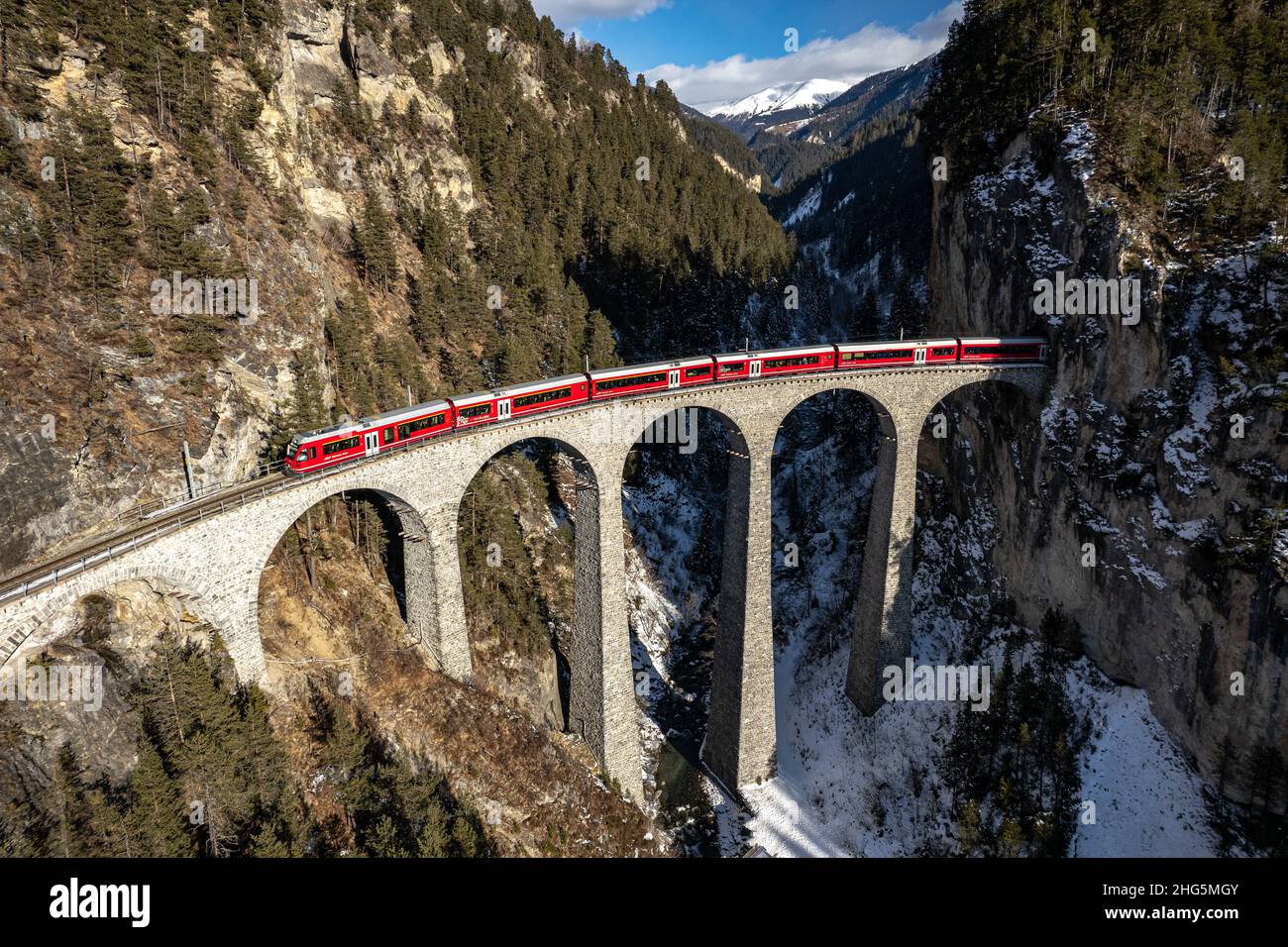
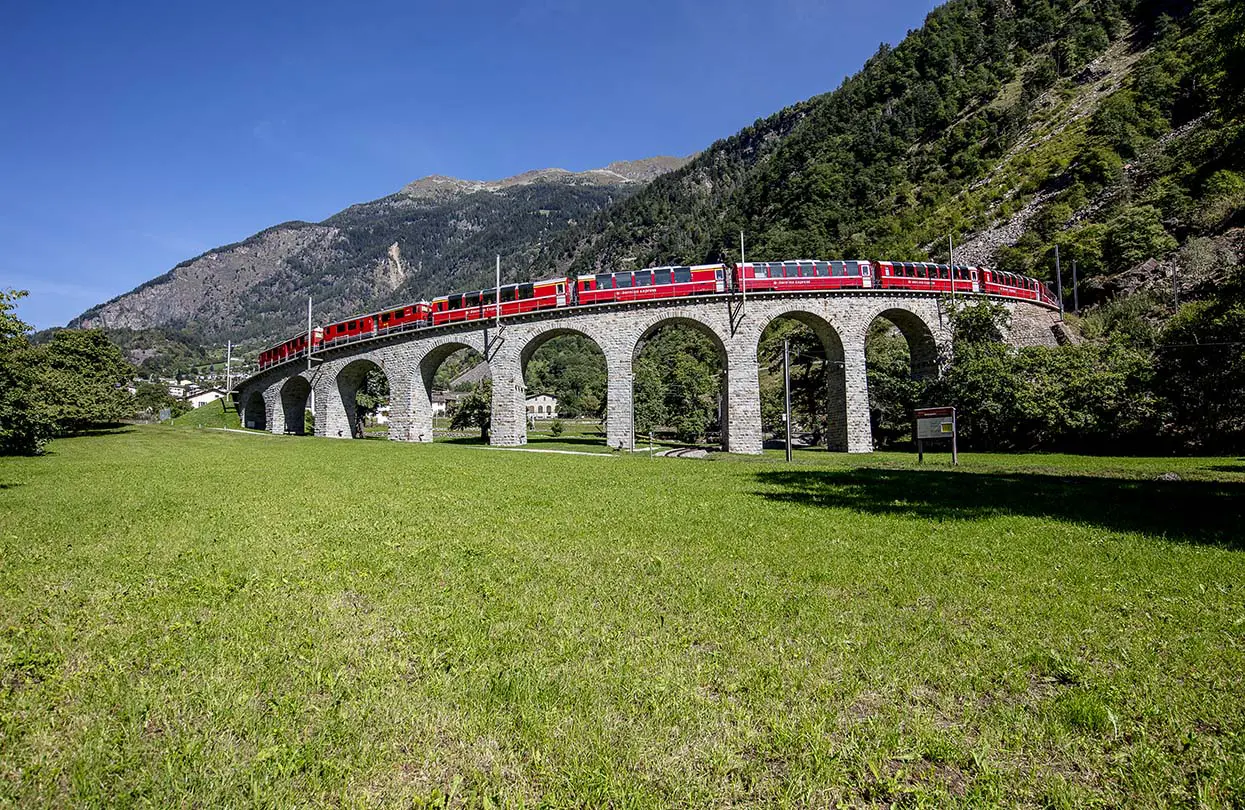
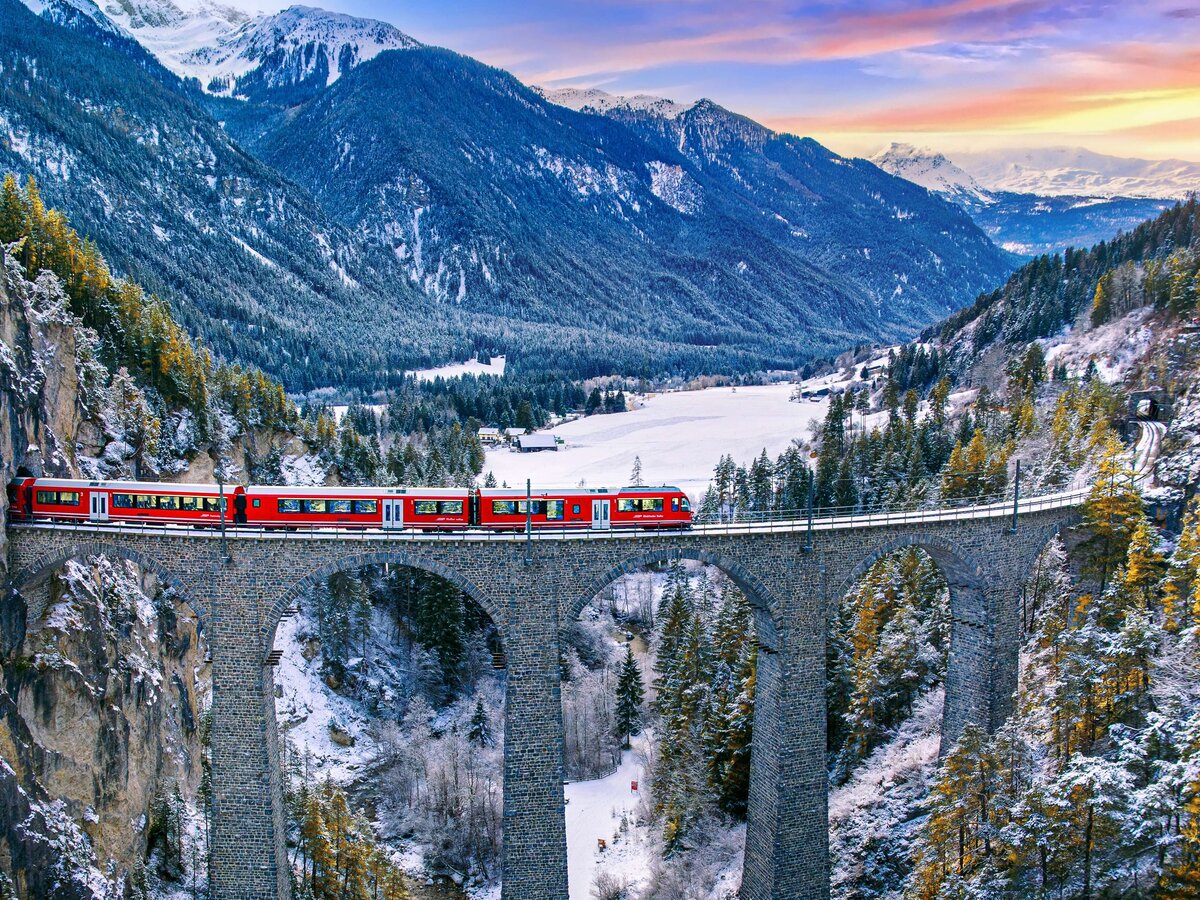
This curved stone viaduct is one of the route’s best-known engineering landmarks. The Bernina Express crosses a landscape of 196 bridges and 55 tunnels on its scenic run, and this structure is the classic photo subject for the line.
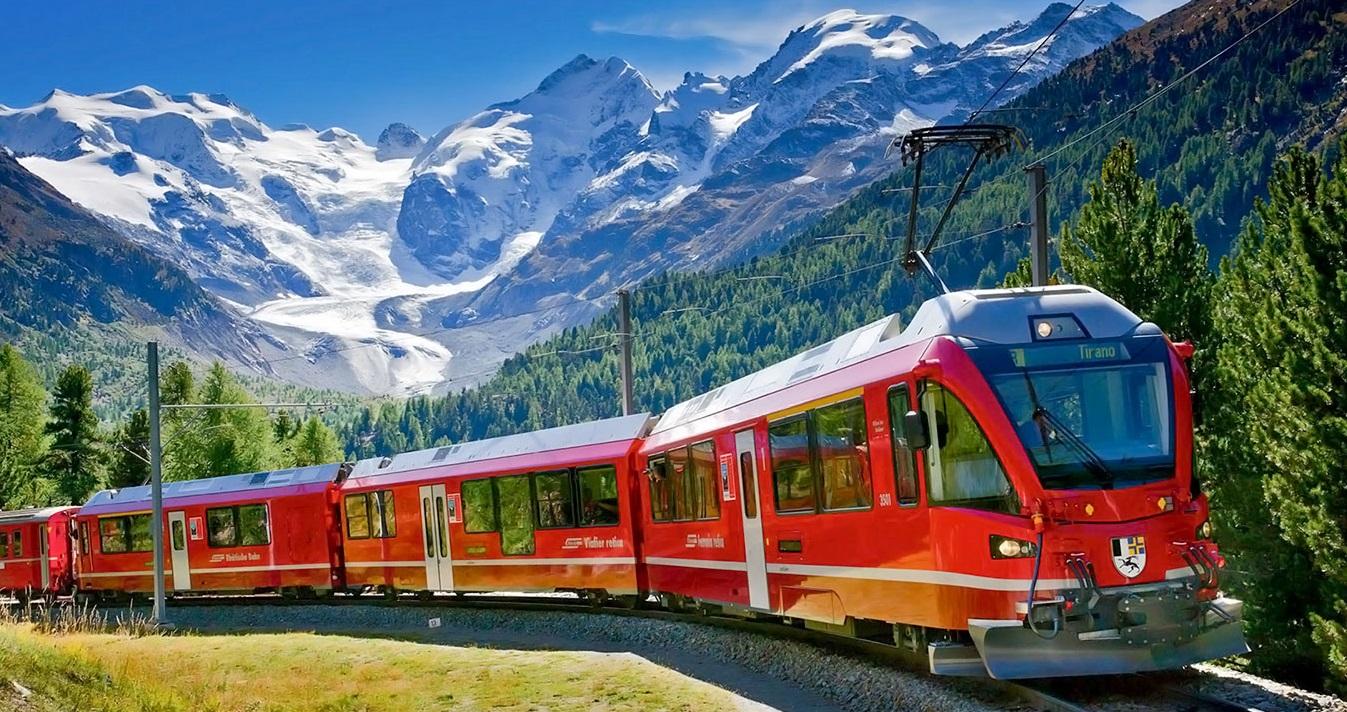
The Bernina Pass section is the high point of the journey and links the upper Engadin to Val Poschiavo. RhB highlights the route’s ascent past glaciers and down toward Tirano, which is part of what makes the line a UNESCO World Heritage rail experience.
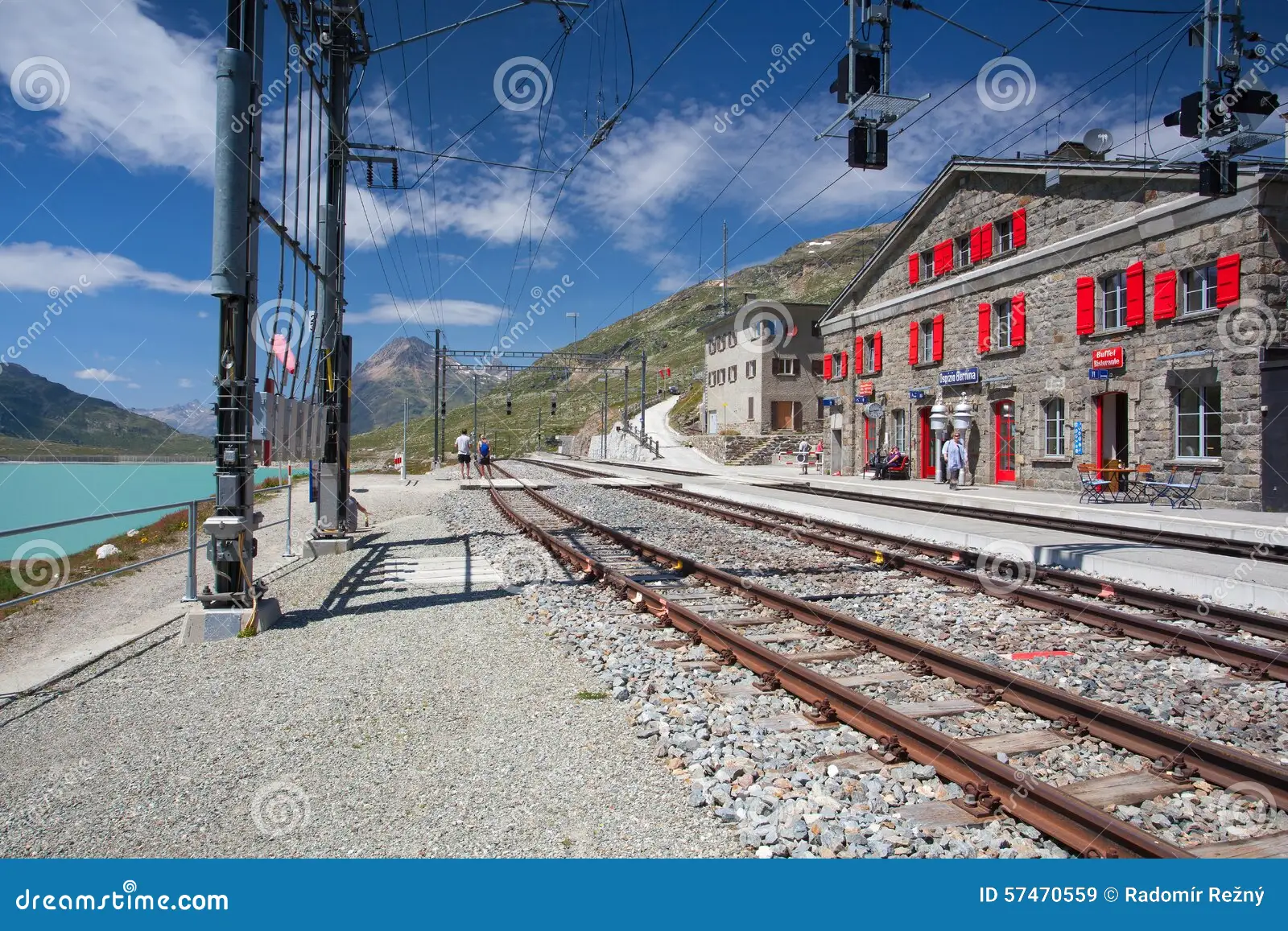
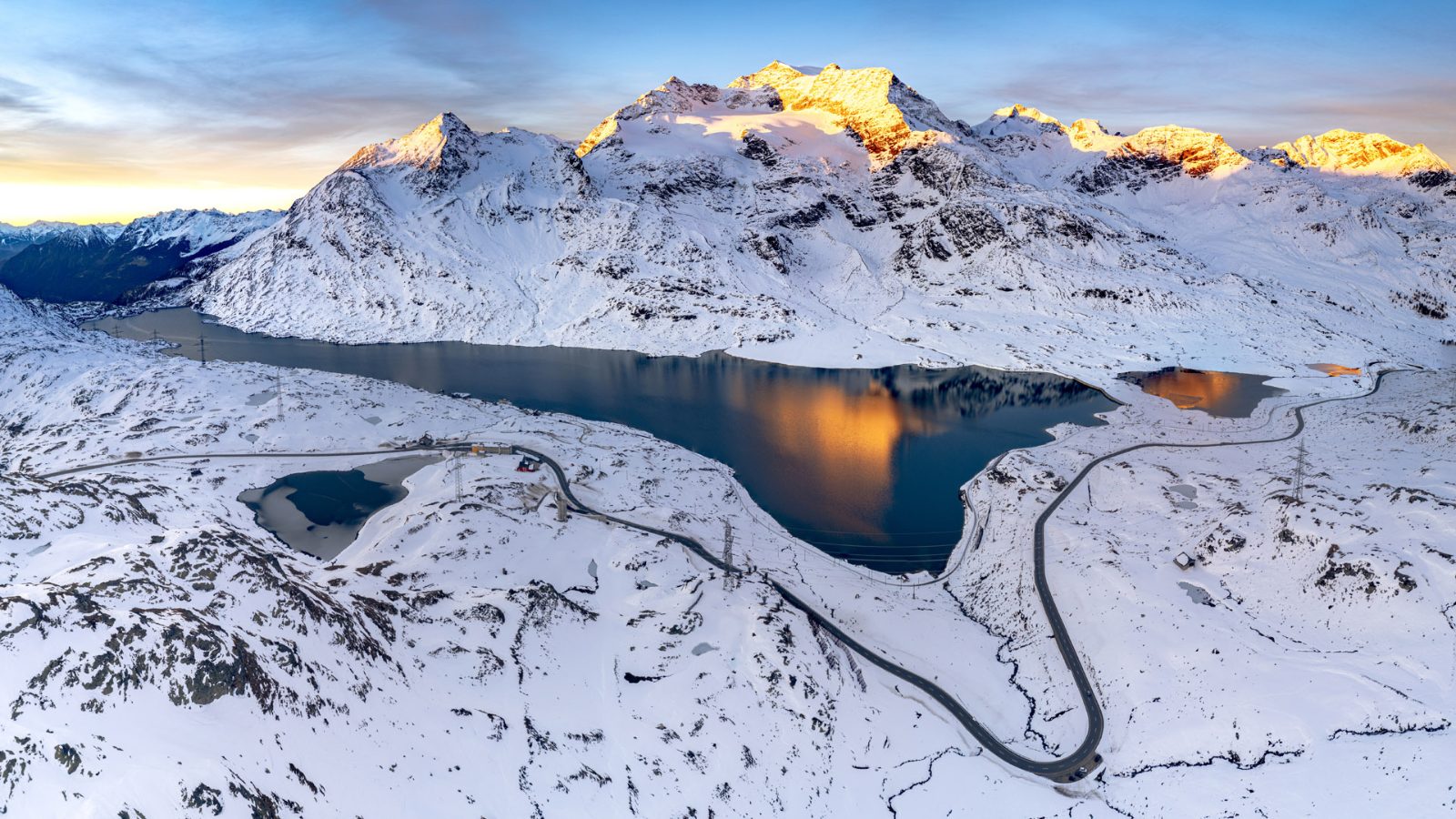
This is the highest station on the Bernina Line and a defining stop for the route’s alpine character. Its altitude makes the surrounding scenery feel stark and open, with snow, ice, and lake views depending on season.
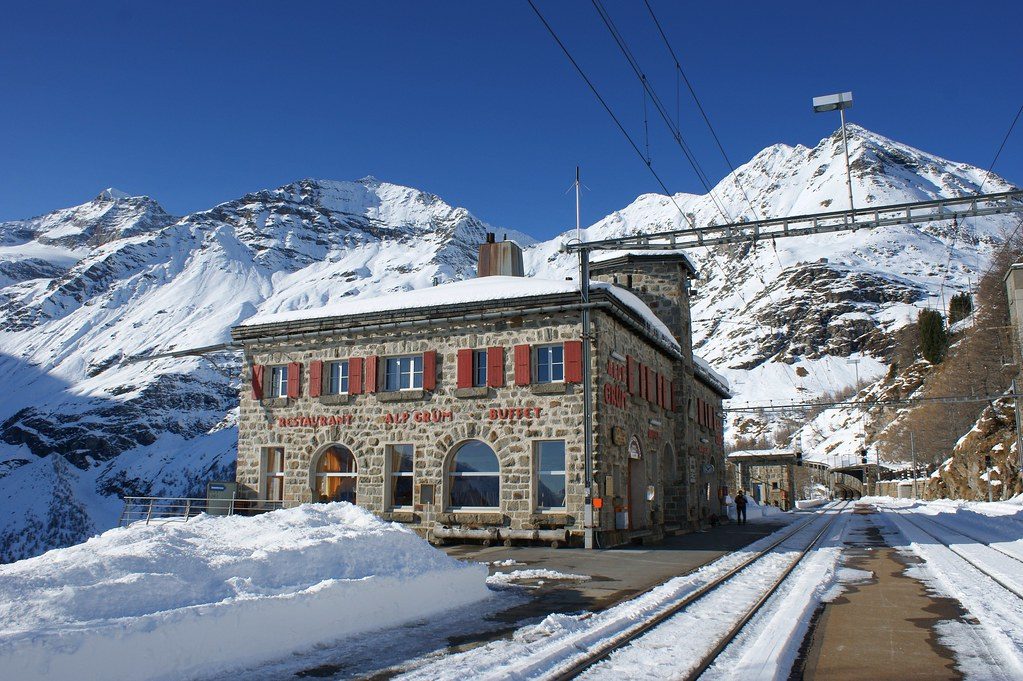
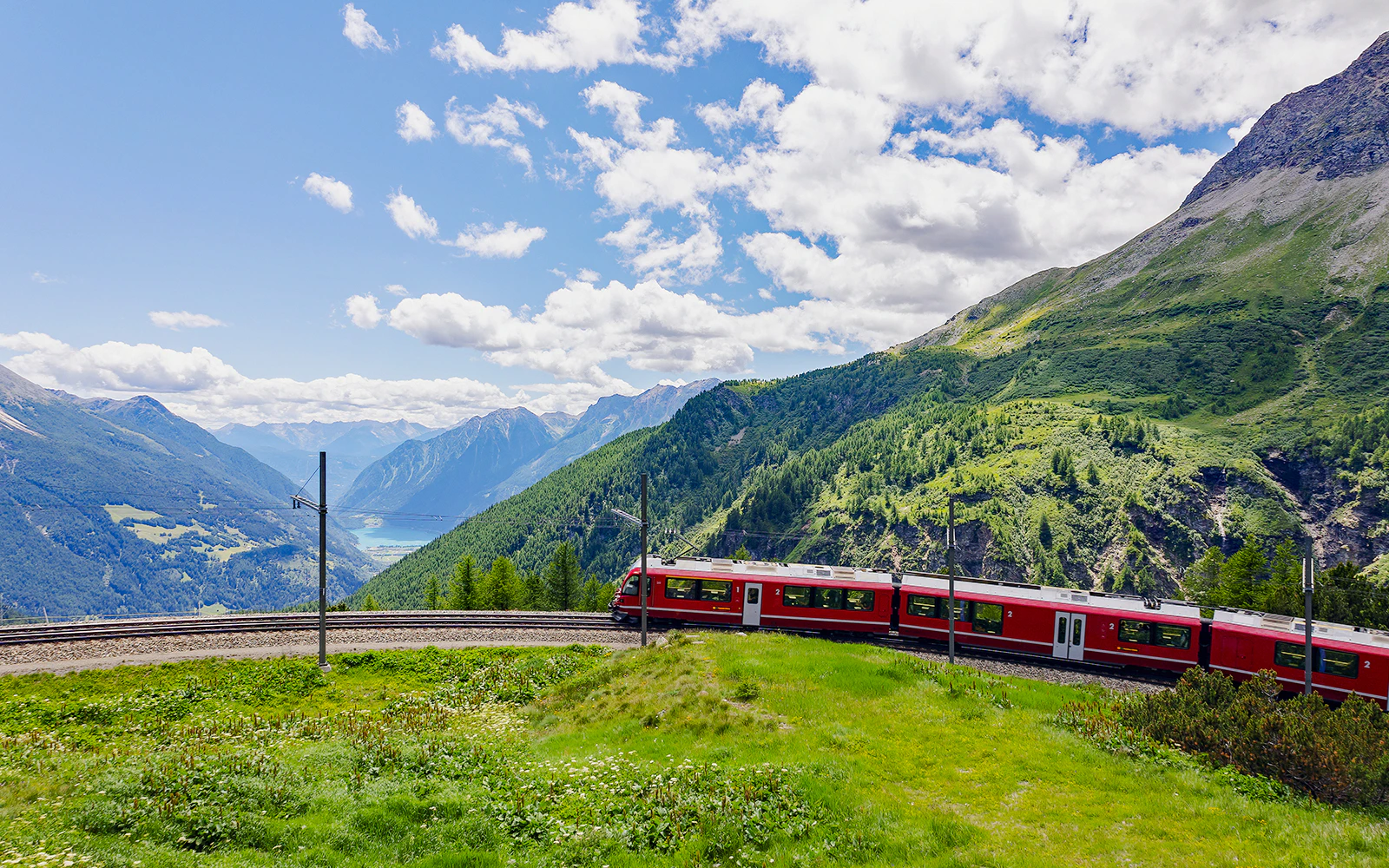
Alp Grüm is a classic stop for sweeping views over the Poschiavo valley. The station sits on the south side of the line, where the railway’s engineering and the mountain backdrop are both visible in one frame.
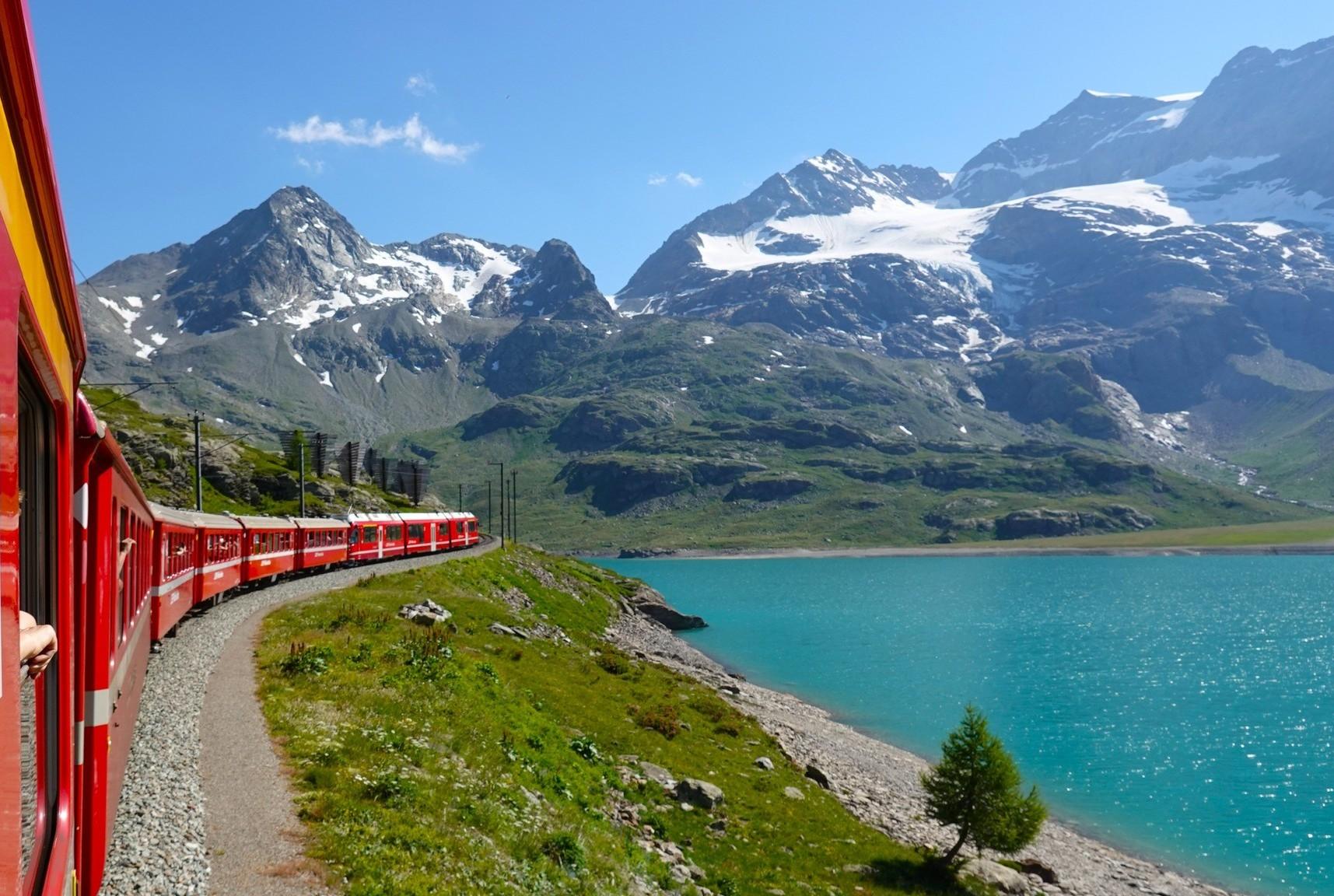
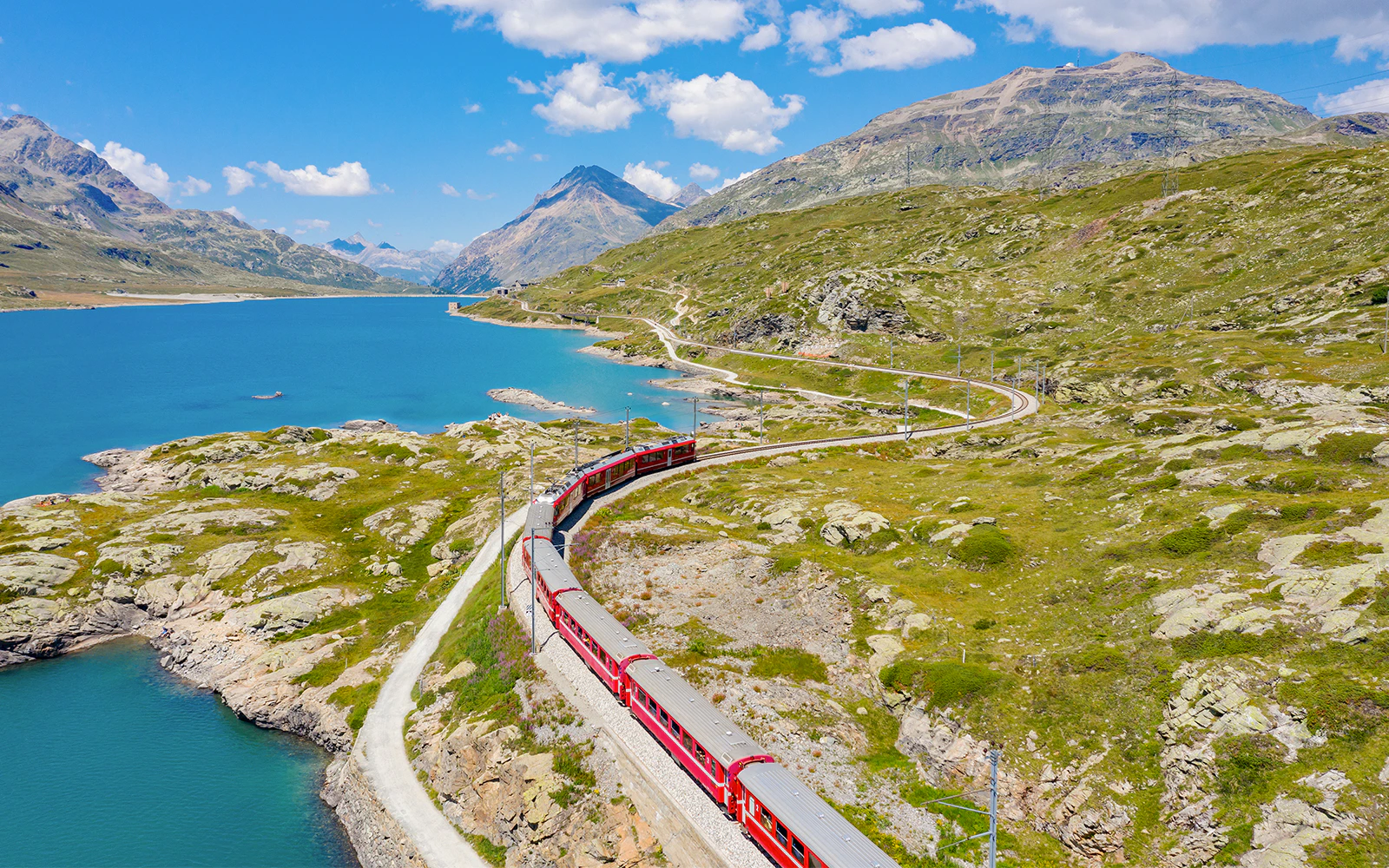
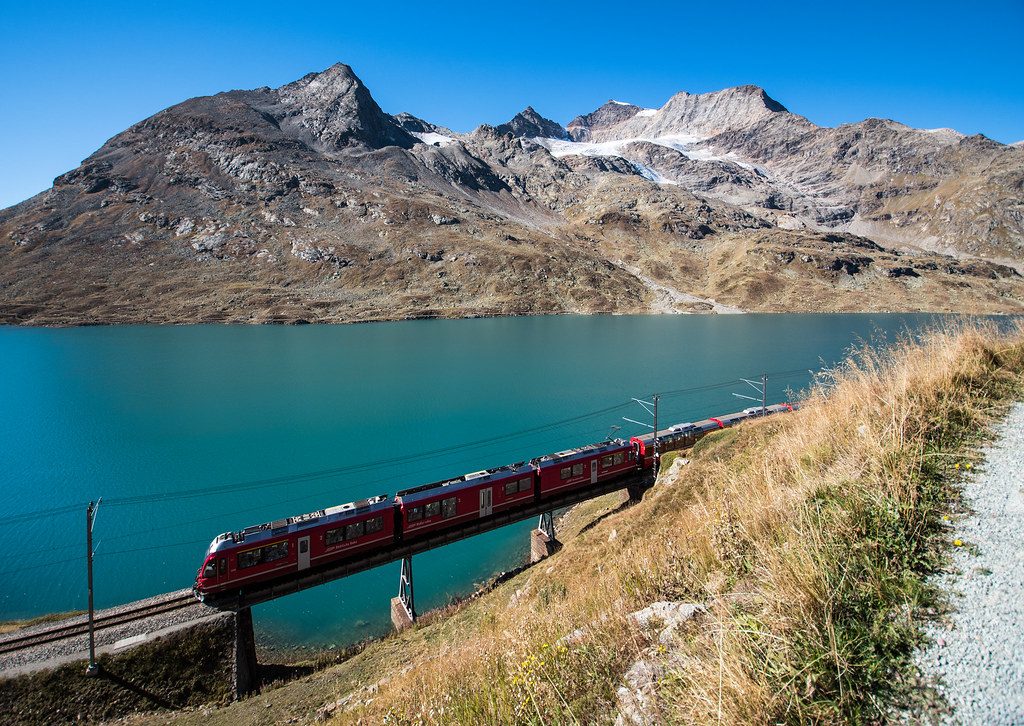
This glacier-fed lake near the pass is a signature blue-water scene along the route. The combination of water, rock, and rail infrastructure makes it one of the clearest examples of the Bernina Line’s engineering in a natural setting.
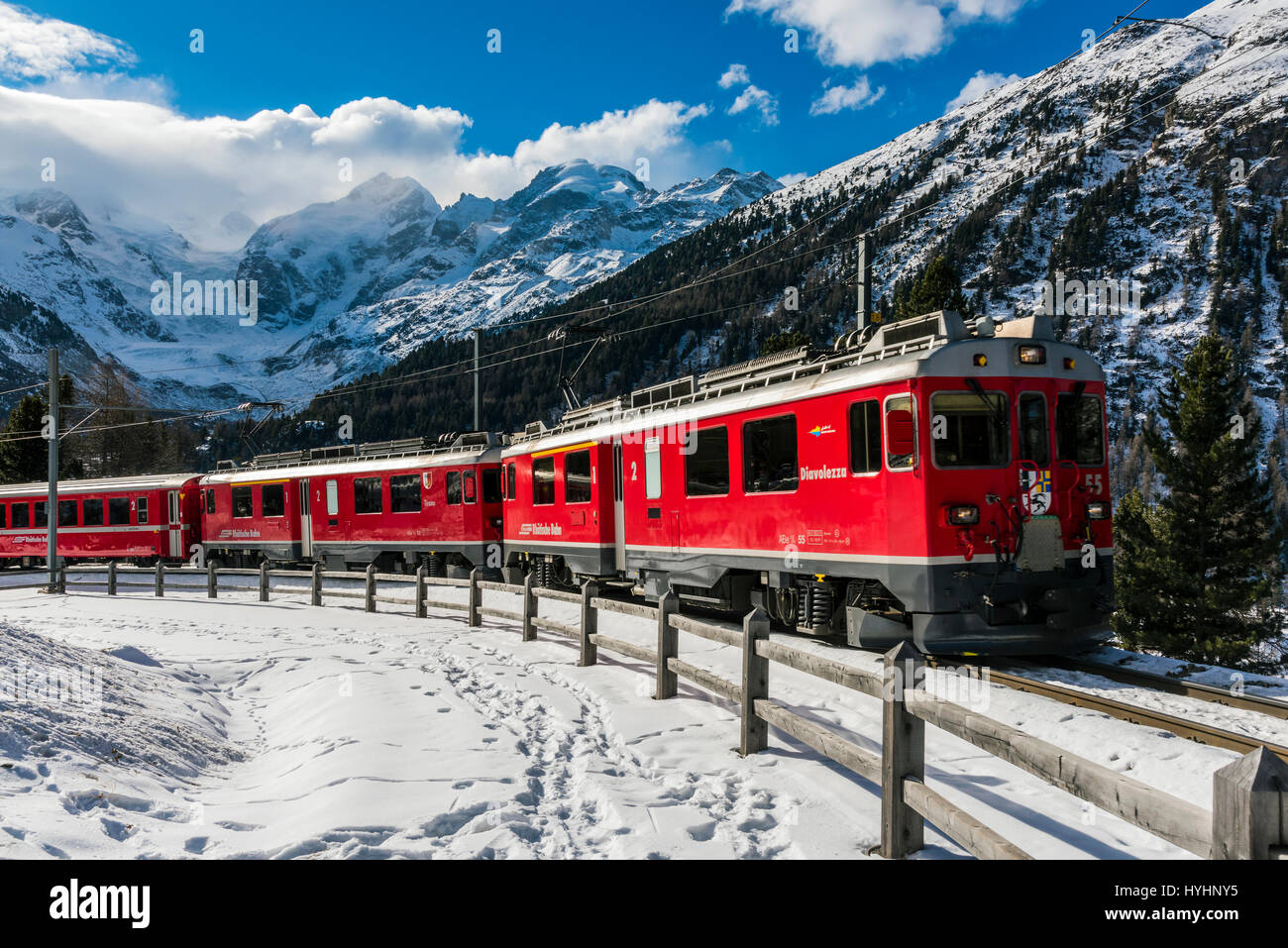
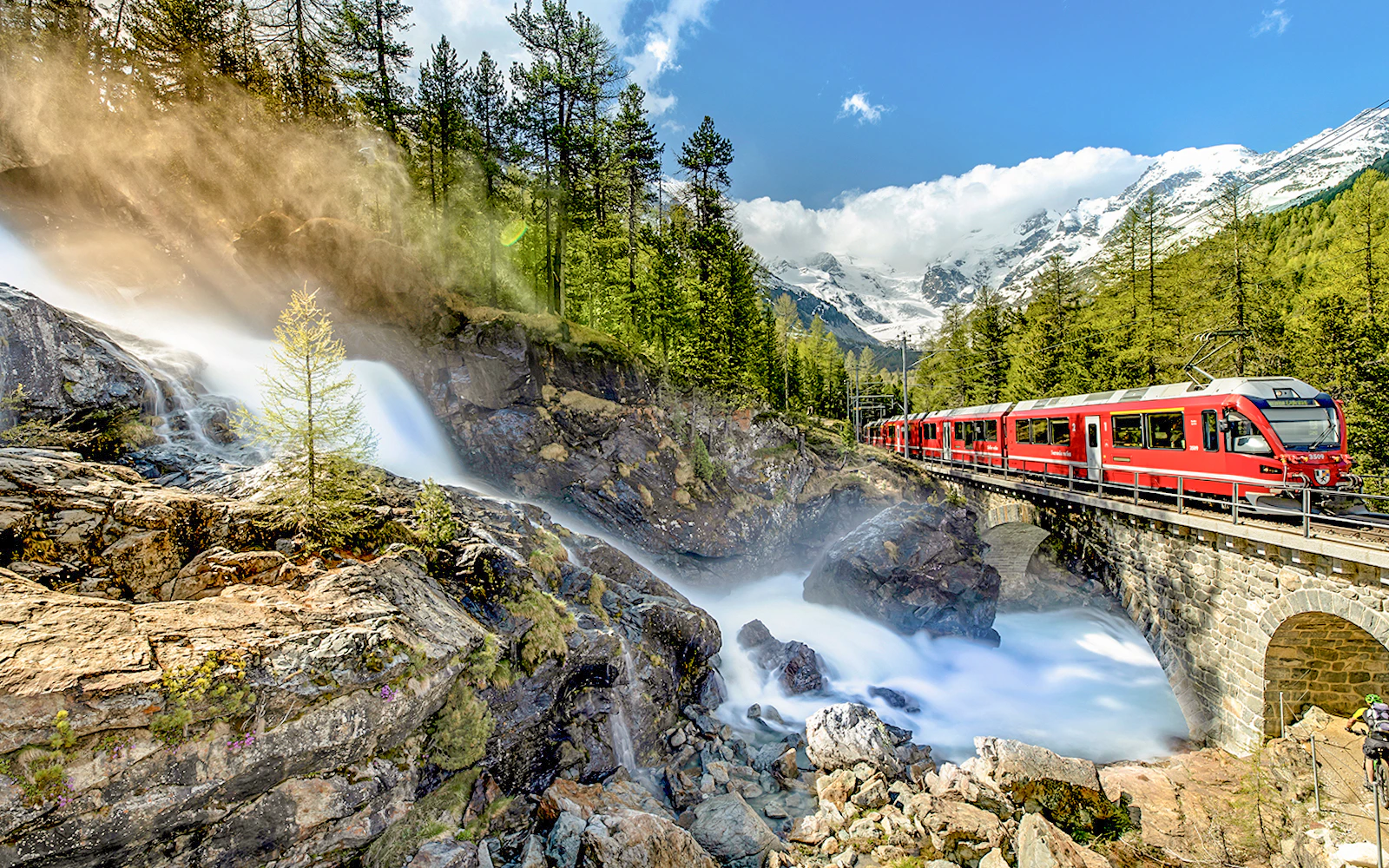
The glacier area is one of the route’s most striking reminders of the Bernina landscape’s altitude and climate. RhB markets the trip as a UNESCO World Heritage journey with views of glaciers, and this is one of the places that makes that claim concrete.
You start early at Milano Centrale, under the 72-metre vaulted steel of the 1931 train shed, and head north-east toward the Valtellina. The Lombardy plain flattens out, vineyards climb the valley walls, and after roughly two and a half hours you reach Tirano at 429 metres.
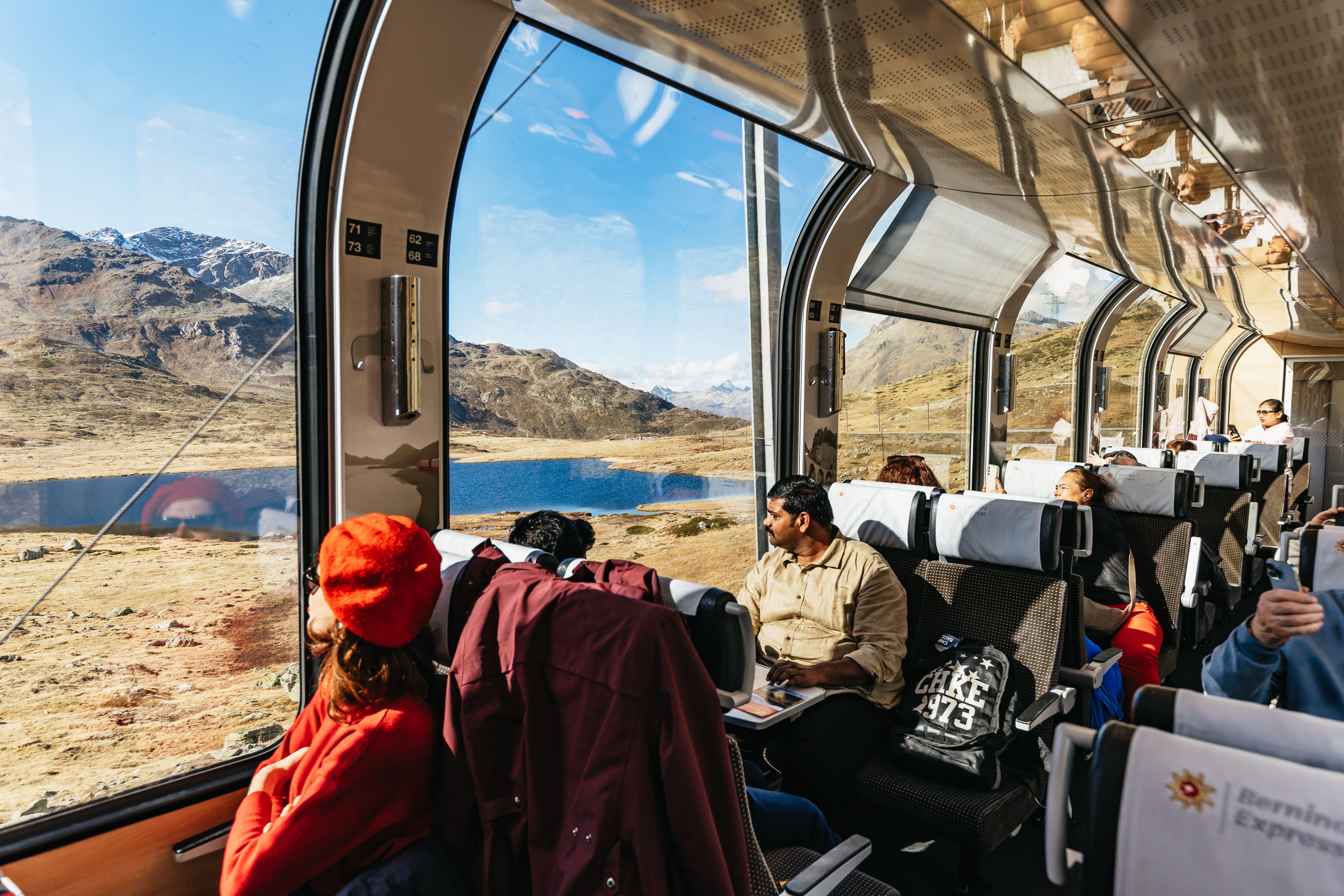
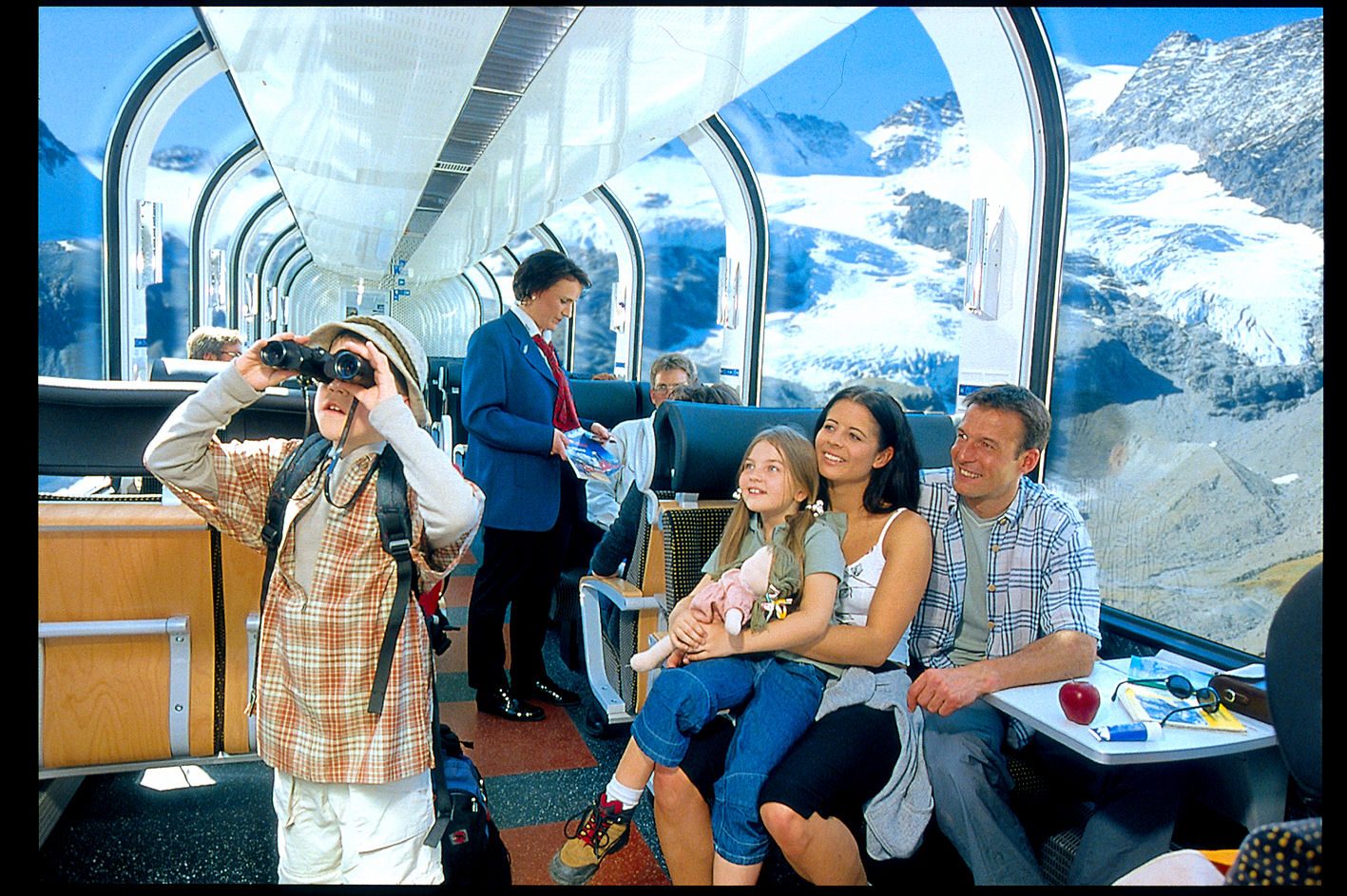
Then you walk across a public square. The narrow-gauge track runs through it — no barrier, no platform, just a bell, a level crossing, and a red train easing past the church of Madonna di Tirano. You take your seat under the panoramic glass, and the climb begins immediately. Within twenty minutes you are looping through the Brusio spiral, watching the carriage you just left pass beneath you.
The gradient holds at 70 per thousand. Poschiavo comes and goes in Italian; beyond Alp Grüm the announcements have shifted to German and the glacier fills the left-hand windows. You cross the watershed at Ospizio Bernina, 2,253 metres, then drop through larch forest into the Engadine. Most travellers on a Milan to Swiss Alps train ticket price tour break at St. Moritz, walk the lakefront for an hour or two, and turn back with the light behind them. You keep the window seat. The descent looks nothing like the ascent.
All the details about your upcoming adventure in one place
The Bernina line climbs from 429 metres at Tirano to 2,253 metres at Ospizio Bernina without a single rack rail, holding the gradient on adhesion alone. That one engineering decision shapes most of what travellers encounter when they compare Milan to Swiss Alps train ticket price tours.
The route is not a transfer between two cities. It is a 61-kilometre traverse of the Alps at deliberate speed, on metre-gauge track laid across the UNESCO-listed Albula/Bernina corridor of 196 bridges and 55 tunnels.
Construction started in 1906. The Bernina Railway ran its first full Tirano–St. Moritz service in 1910 as a seasonal tourist venture, faltered financially, and was absorbed by the Rhaetian Railway in 1943. UNESCO inscribed the line as World Heritage in 2008, placing a working narrow-gauge railway on the same register as cathedrals and ruined cities.
What survives is a catalogue of solutions to steep ground. At Brusio, the track spirals through a nine-arch circular viaduct so the train can shed height in the space of a field. Above Poschiavo, an Italian-speaking valley on Swiss soil, the line switchbacks toward Alp Grüm, where the platform faces the Palü glacier directly. Lago Bianco sits milky with rock flour at the summit, its water divided between the Adriatic and the Black Sea. Modern panoramic carriages replaced the open observation cars decades ago; their sealed, curved glass reaches almost to the roofline, which is why the Trenino Rosso del Bernina reads as a moving window rather than a corridor of seats. Italian marketing calls it that; Swiss timetables simply call it a service.
The line matters now for a reason its builders did not plan. Milan sits roughly 150 kilometres south of Tirano, close enough that the Alps became a day's reach from Lombardy, and that proximity is what turns a mountain railway into an international itinerary. Cross-border demand explains why Milan to Swiss Alps train ticket price tickets cover several distinct things: a seat on a timetabled Rhaetian Railway service, a reserved place in a panoramic coach, or an escorted Bernina Red Train day trip that also carries the Milan–Tirano leg. Graubünden's canton railway still runs 384 kilometres of metre-gauge track through the same passes, and the red livery has become shorthand for Alpine rail across Europe.
The route is not a transfer between two cities; it is a 61-kilometre traverse of the Alps at deliberate speed.
Dress for alpine conditions on the Bernina Express route: temperatures can change sharply between Chur, the Bernina Pass, and Tirano. Layers, a warm mid-layer, and sunglasses are practical even in summer.
Luggage is allowed on board, and the Rhaetian Railway notes a baggage delivery service as an alternative for large pieces. Keep valuables with you, because the train crosses the Swiss-Italian border and passport checks can apply on international services.
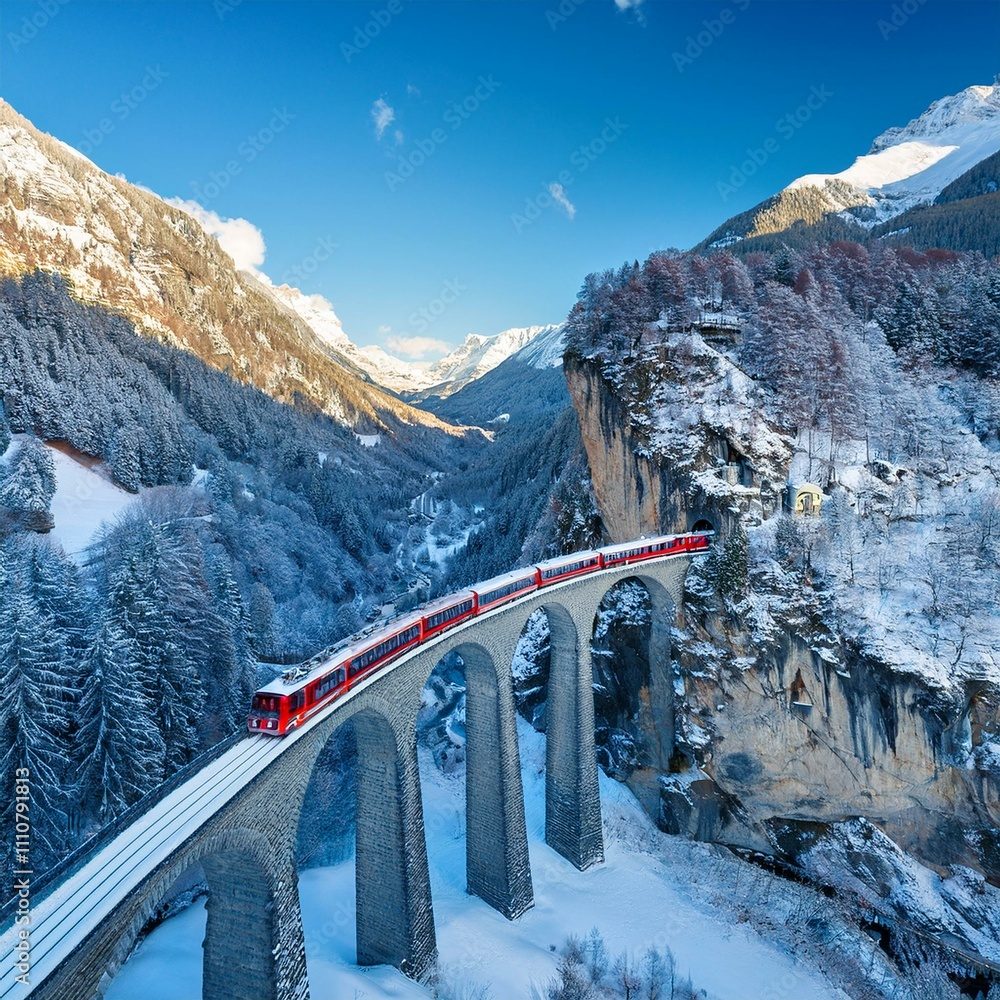
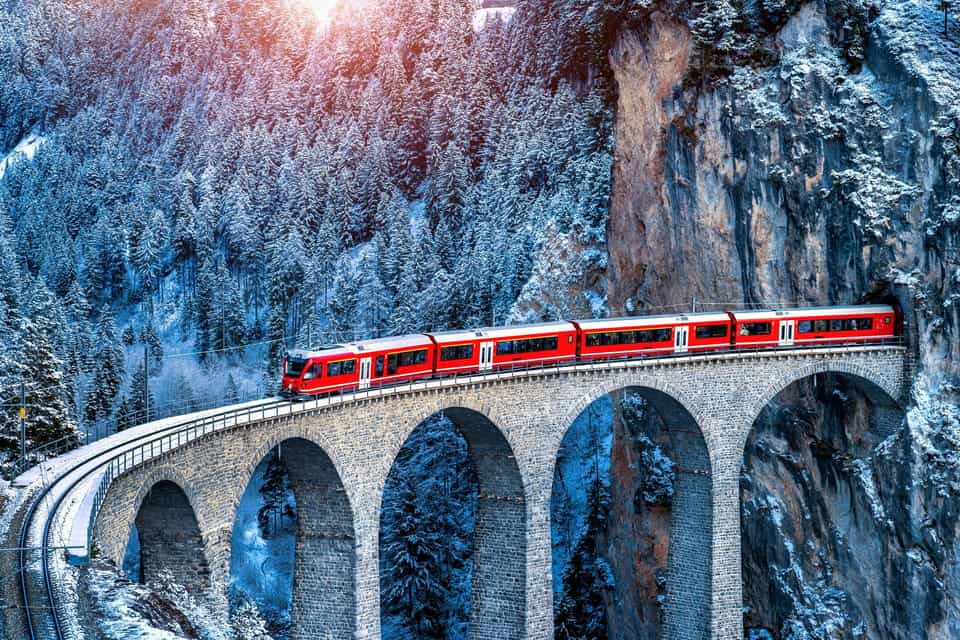
Photography is generally fine from the panoramic coaches, and the Bernina Express is known for views of the Landwasser Viaduct, glaciers, and mountain lakes. Use window reflections carefully, because the coach glazing can affect shots.
Children under six travel free on Swiss public transport, but a seat reservation is still required for the Bernina Express. For families, the route is easier if you reserve adjacent seats and keep snacks and entertainment ready for the longer mountain sections.
Some seats are wheelchair-accessible, but they must be booked through RhB Railservice. Boarding and alighting assistance must be ordered in advance through the SBB Call Center Handicap.
The Bernina Express supplement includes catering at your seat, according to RhB sales material. Outside food and drinks are usually not the issue on board; the key practical limit is keeping the aisle and luggage space clear.
Train service runs on a timetable
Best arrival window
00:00–23:59 — train service runs on a timetable
Address
Bernina Express, Rhaetian Railway, Graubünden, Switzerland
Ticket note
Entrance fee is 0 CHF; ticket price varies by route
Service pattern
Year-round scenic rail service with seasonal departures
Travel planning
Seat reservation is required in addition to the ticket
Official site
https://www.rhb.ch/en/panoramic-journeys/bernina-express/
Tickets can be refunded up to one day before the journey with an administration fee of CHF 10.00. Online seat reservations cannot be changed or cancelled, and special saver tickets are non-refundable.
Recommended time
Half a day
For milan to swiss alps train ticket price, plan on a half-day outing if you are only riding one direction and connecting cleanly through Tirano. The Bernina Express ride itself is about four hours, but a Milan day trip usually stretches longer once you add the transfer time and any wait for the next timetable slot. A rushed plan works if you are treating it as a transfer day; a more comfortable sightseeing day lets you absorb the rhythm of the Rhaetian Railway without clock-watching. Crowds tend to build around the main departure windows, so an early start usually feels calmer than a mid-morning dash.
Crowd levels through the day
The Bernina line was never an obvious idea. Engineers had crossed the Alps by tunnel; here the plan was to climb over the range in the open air, on adhesion alone, without a rack rail. Construction began in 1906 under the Bernina-Bahn company, with Ingenieur Peter Saluz among those directing the work above Pontresina. The first stretch, Pontresina to Morteratsch, opened on 1 July 1908. Passengers researching a milan to swiss alps train ticket price today follow that same surveyed alignment. The full route from St. Moritz to Tirano was completed in 1910. Winter almost destroyed it. Avalanches and snow drifts closed the line for months, and the company slid into financial collapse; in 1943 the Rhaetian Railway absorbed it outright. The engineering that survives is specific: a maximum gradient of 7 per cent, the Brusio spiral viaduct of 1908 with its nine stone arches, the Montebello curve facing the Morteratsch glacier, and a summit at Ospizio Bernina, 2,253 metres above sea level. No cog, no cable, no assistance. UNESCO inscribed the Albula and Bernina lines as World Heritage in July 2008, recognising the corridor as a landmark of mountain railway construction. Rhaetian Railway operates the panoramic service from Tirano across the pass, and Graubünden landmarks along it — Alp Grüm, the Lago Bianco reservoir, the Poschiavo valley — remain in daily working use rather than preserved as a museum. Milan Alps scenic rail journeys reach the line at Tirano, where Italian and Swiss networks meet. Entry to the corridor itself costs 0 CHF; a milan to swiss alps train ticket price applies only to the seat. Bernina Express tickets are sold as reserved panoramic-car travel, and Bernina Express tours pair the rail leg with the Italian approach.
Construction of the Bernina line begins under the Bernina-Bahn company.
The Pontresina–Morteratsch section opens on 1 July, and the Brusio spiral viaduct enters service.
The complete St. Moritz–Tirano route is finished, crossing the pass at 2,253 metres without a rack rail.
Avalanches and prolonged winter closures push the operating company toward insolvency.
The Rhaetian Railway takes over the bankrupt Bernina-Bahn and integrates the line.
UNESCO inscribes the Albula and Bernina lines on the World Heritage List in July.
The corridor remains in year-round scheduled operation as a working heritage railway.
Shoot from the carriage window as the train curves toward the stone arches and the gorge below. This is the classic Bernina Railway frame, with a strong diagonal line and deep valley backdrop; no special access is needed beyond being on board.
Stand on the platform side or keep your camera ready for wide snowline and high-alpine panoramas around the highest point on the route. The station itself is a practical window-shot anchor for the Bernina Pass area, and the landscape here pairs well with the primary keyword milan to swiss alps train ticket price when planning the trip.
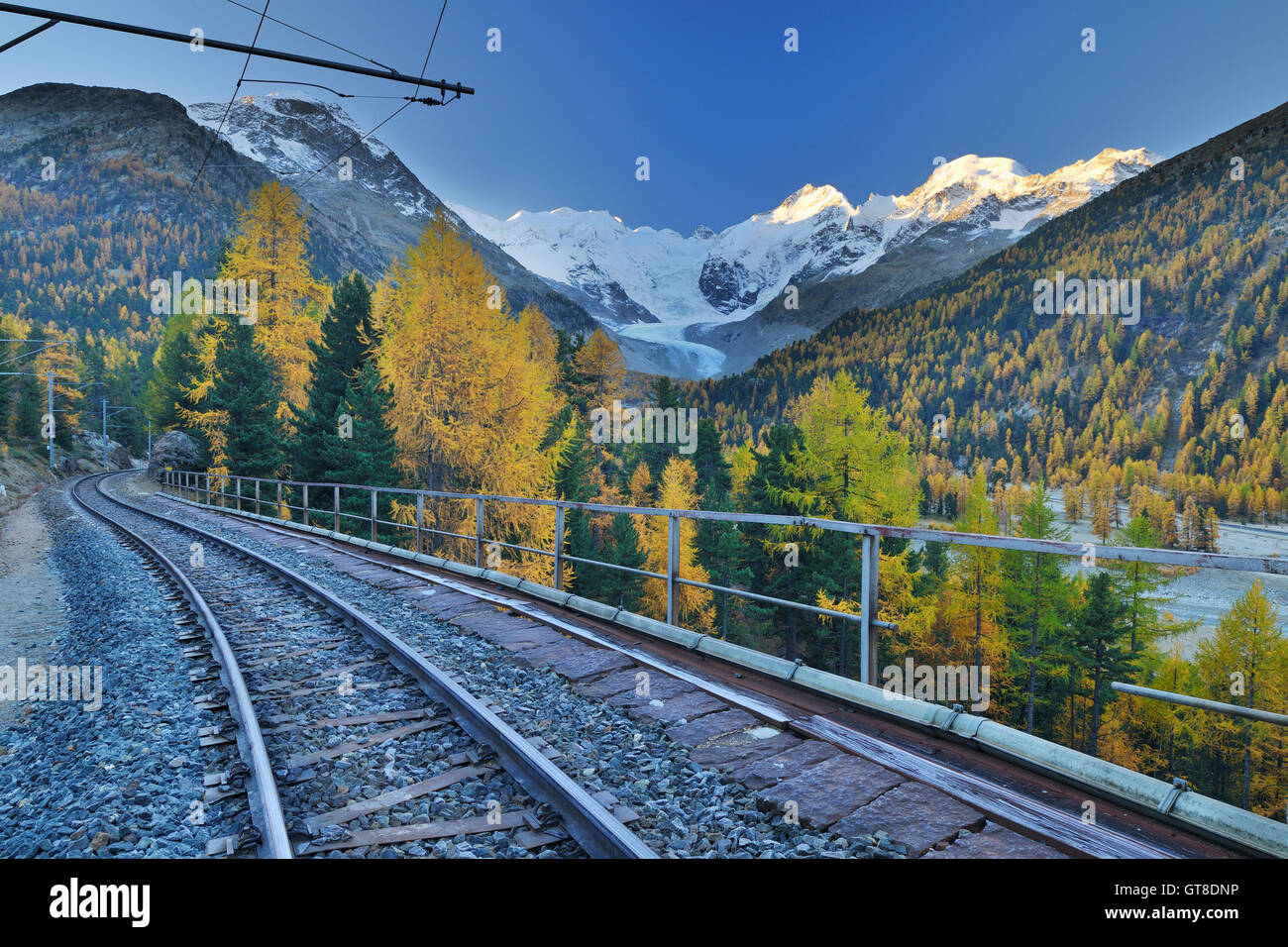
Aim for the uphill side of the train for broad views of the Bernina Range and the Palü Glacier. The station terrace and approach curves are well known, but the main shot is from the train window as the line clings to the mountainside.
Photograph the loop from the walkway near the viaduct or capture it from the train as the line spirals over itself. This landmark of the Bernina Line is one of the clearest named photo stops, and it gives the route a distinct engineered-scenery contrast.
Frame the glacier tongue and valley scenery from the window on the northern approach, where the ice and rock feel closest to the track. It is one of the route’s most recognizable alpine scenes, especially for riders comparing milan to swiss alps train ticket price tickets.
Shoot across the lake for pale water, open sky, and the high Bernina Pass atmosphere around Ospizio Bernina. The best result is usually a clean side-window composition with the shoreline leading into the distance.
For milan to swiss alps train ticket price, the Bernina Express is workable with kids if you plan for seat reservations and a long scenic ride. Families usually do best when they treat it as a rail journey first and a sightseeing tour second, since the timetable and route matter more than a fixed arrival time.
RhB’s Bernina Express pages do not list stroller-specific restrictions in the live information I found, so check space before boarding if you travel with a large buggy. A compact stroller is easier for platform changes and seat rows on a panoramic train.
Children under 6 travel free of charge, and children from 6 until the day before their 16th birthday pay half fare. For a milan to swiss alps train ticket price tour, that makes the ride more practical for school-age kids than for toddlers.
I could verify family-friendly rail details, but not dedicated baby-change facilities on the Bernina Express pages. If you need changing space, plan a station stop rather than assuming it will be on board.
Seat reservation is required in addition to the ticket, and the reservation supplement applies in full for everyone. Children under 6 still need a reservation for Bernina Express travel even though the rail ticket itself is free.
Build in extra time for boarding, photos, and child breaks, because the route is a full mountain crossing on a timetable. If you are comparing milan to swiss alps train ticket price tickets, prioritize a direct scenic segment over extra transfers.
RhB highlights family carriage options and child-focused rides elsewhere in the network, but the Bernina Express itself is mainly a panoramic route through the UNESCO line. The best fit is usually a shorter segment with a clear window seat and a simple snack plan.
On the milan to swiss alps train ticket price journey, most travelers eat either in Tirano before boarding, on a quick stop in the Engadin, or at a sit-down hotel restaurant near a station. If you want a smoother day trip, plan a meal around the timetable rather than expecting full dining on board. The Bernina Express runs through a UNESCO rail corridor, so the food stop is usually part of the excursion rhythm, not the main event.
A practical pre-boarding stop for pasta, pizza, or a fast lunch before the train. It is very close to Tirano station, so it works well if you want to eat without adding much walking time.
A polished option if your rail day includes an Engadin pause, with regional dishes and a calmer pace than station-side places. Best for a proper lunch or dinner rather than a rushed transfer meal.
Good for lighter plates and coffee when you want a scenic break between train segments. It suits travelers who prefer a slower meal with mountain air and an easy return to the station.
Useful if your route includes the high pass and you want a lunch stop in the middle of the line. Expect a destination meal that fits the alpine setting and a longer pause in the schedule.
Everything you need to know for your journey
The Bernina Express itself has no fixed entrance fee; RhB states the entrance fee is 0 CHF and that the ticket price varies by route. You still need a valid rail ticket plus the required reservation for the train. Yes. RhB says seat reservations on the Bernina Express must be purchased in addition to the ticket, and the reservation remains tied to the booked train. The supplement is the same in 1st and 2nd class. The Bernina Express is a rail service, not a fixed-hours attraction, so the practical hours are the timetable departures for the day. RhB’s published service runs year-round, with seasonal schedules rather than a single opening-and-closing gate. Yes. RhB says some seats are wheelchair-accessible, but they can only be booked through Railservice. Boarding and alighting assistance must be ordered in advance through the SBB Call Center Handicap. Luggage is allowed on board, and RhB also offers baggage delivery as an alternative for larger pieces. Self-service bicycle transport is not allowed on the Bernina Express. Yes. The panoramic coaches are designed for views across the Bernina Pass, the Landwasser Viaduct area, glaciers, and mountain lakes. Window reflections can affect photos, so a seat near the window helps. Summer is popular for full-late-spring through autumn service, while winter gives snow-covered alpine scenery. The official timetable changes by season, so the best month depends on whether you want glacier views or brighter valley conditions. Layered clothing is the safest choice because the route climbs from lower valleys to high alpine sections. A warm layer, sunglasses, and comfortable shoes are sensible, especially if you connect at Chur, St. Moritz, or Tirano. Yes. Children under six travel free, but RhB still requires a seat reservation for Bernina Express and Glacier Express journeys. Families should reserve seats together so the group stays aligned for the full ride. RhB says tickets can be refunded up to one day before travel, with a CHF 10.00 administration fee. Online seat reservations cannot be changed or cancelled, and saver tickets are not refunded. Common combination points include Chur, St. Moritz, Pontresina, Poschiavo, and Tirano. UNESCO-listed Rhaetian Railway scenery makes the route easy to pair with other alpine rail days.
Please contact us for more information.
Join thousands of happy travelers who have discovered this incredible experience
Book Your Experience Now